


Updated: Jan 22
Designing a vegan kitchen is about more than swapping out dairy or meat. It is about creating a space and a rhythm that make plant-based cooking feel effortless, joyful, and creative. Over the years, I have learned that a few thoughtful tools, pantry staples, and habits can completely transform the way you cook. What once felt like a chore becomes an enjoyable ritual where meals come together easily and flavors shine.
The heart of a vegan kitchen is not the latest gadgets or trendy ingredients. It is a combination of smart tools, versatile staples, and a little planning. The beauty of plant-based cooking is its adaptability. A simple chickpea can become a hearty curry, a creamy sauce, or a protein-packed salad. The right kitchen setup makes this kind of culinary creativity possible without feeling overwhelming.
Tools That Transform How You Cook
I used to think tools did not matter much, but as I experimented with more plant-based recipes, I noticed something. The right tool can make a night of cooking feel like a meditation instead of a stress test. My Vitamix, which I have had for over ten years, has been a game changer. It is not just for smoothies. It handles hot soups, creamy sauces, and even homemade nut milks with ease. It has saved me countless hours and made so many meals possible that I can hardly imagine cooking without it.
A food processor is another workhorse in my kitchen. It allows me to make hummus, nut butters, and finely shredded vegetables in seconds instead of minutes. A sharp chef’s knife and a sturdy cutting board are surprisingly transformative. Chopping vegetables efficiently makes cooking more enjoyable and reduces prep fatigue.
When it comes to cooking itself, a good non-stick skillet or sauté pan makes a huge difference. I use mine for stir-fries, searing tofu, or lightly caramelizing vegetables. It is remarkable how much the right pan affects flavor, texture, and even the amount of oil needed. Baking sheets lined with silicone mats or parchment paper elevate roasted vegetables and tofu. They make simple ingredients taste golden, caramelized, and full of flavor while keeping cleanup effortless.
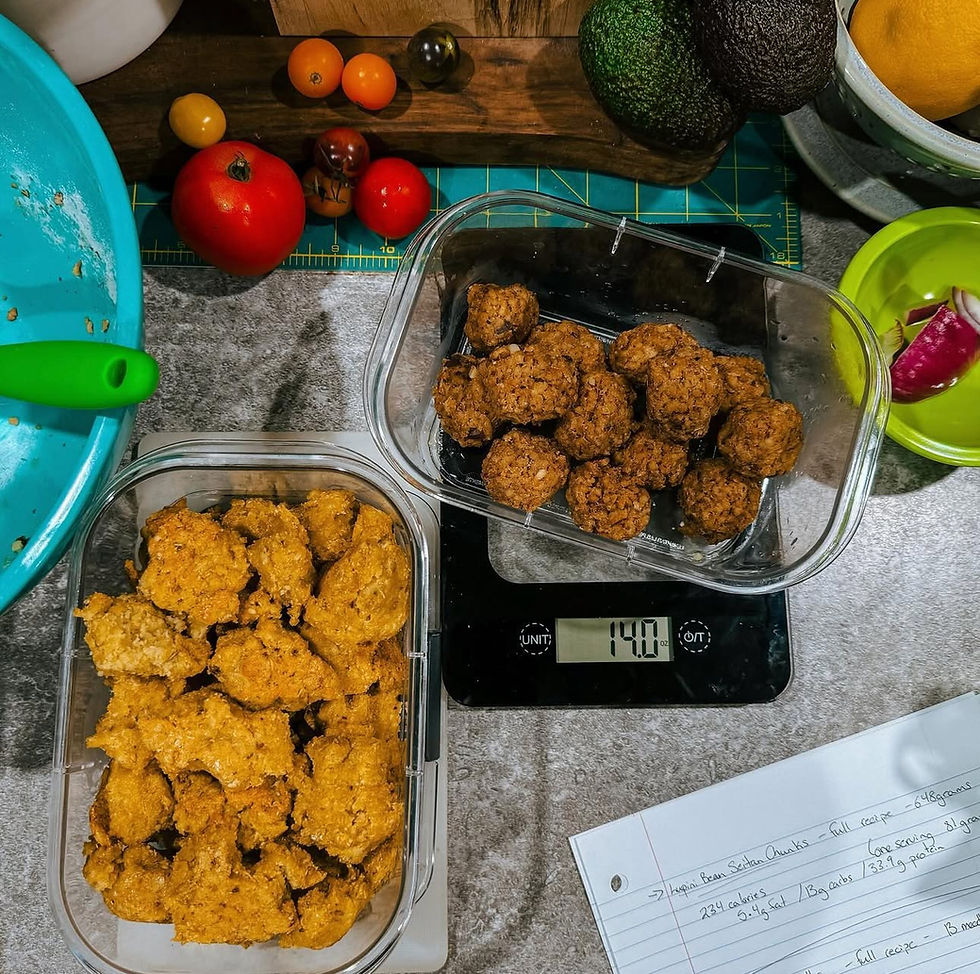
Glass containers and mason jars are essential for keeping the kitchen organized and efficient. Prepping grains, washing and chopping vegetables in advance, and storing sauces becomes second nature. Not only does it save time, it encourages a low-waste, visually pleasing kitchen where everything has its place.
Investing in a few high-quality, multi-purpose tools is more important than filling the kitchen with gadgets. One knife, one pan, my trusty Vitamix, and a food processor can carry you through almost any vegan recipe.
Pantry Staples That Keep You Ready
Once the tools are in place, a well-stocked pantry is the next game changer. When your shelves are filled with versatile plant-based staples, cooking does not feel like improvisation. It feels like play.
Legumes like chickpeas, lentils, and black beans are protein-packed and endlessly adaptable. They appear in curries, salads, bowls, and baked dishes. Whole grains like rice, quinoa, oats, or farro form the base of countless meals, store well, and are endlessly versatile. Plant-based milks, whether oat, almond, or soy, turn smoothies into meals, make sauces creamy, and appear in baking without dairy. Nuts and seeds such as almonds, cashews, chia, and flax add texture, flavor, and healthy fats. Nutritional yeast brings a cheesy, umami note to sauces, soups, and even popcorn.
Other staples like canned tomatoes, coconut milk, and a few key spices such as garlic powder, cumin, paprika, turmeric, and dried herbs allow me to throw together a meal in minutes. They are the little anchors that transform an empty fridge into a kitchen ready for anything.
A well-stocked pantry does more than save time. It frees creativity. When I know my kitchen has the essentials, cooking feels playful rather than stressful. I can improvise meals without hesitation, and that flexibility makes plant-based cooking sustainable in the long term.
Fresh Ingredients for Flavor and Vitality
Even with a fully stocked pantry, fresh ingredients bring meals to life. I try to keep a few versatile greens on hand such as spinach, kale, or lettuce. They can become a salad, a sauté, or a soup addition in seconds. Everyday vegetables like carrots, bell peppers, zucchini, onions, and garlic are the backbone of almost every dish I make. Fruits such as bananas, apples, berries, and citrus are handy not just for breakfast or snacks but also for adding natural sweetness to sauces and desserts.
Fresh herbs like basil, cilantro, and parsley make a surprising difference. A sprinkle of fresh herbs transforms a simple dish into something vibrant and aromatic. One of my favorite habits is prepping produce in advance. Washing, chopping, and storing ingredients in clear containers at the start of the week makes weeknight meals feel effortless. I can open the fridge, grab a few prepped ingredients, and cook a complete meal in under twenty minutes.
The most important thing is not having every fancy ingredient. It is having a few reliable ones prepared and ready to go. That small effort transforms cooking from a stressful task into a joyful and nourishing experience.
Efficiency Hacks for a Smooth Kitchen Flow
Beyond basics, a few extra tools and habits make a kitchen truly efficient. A spiralizer turns zucchini or sweet potatoes into noodles in minutes. An immersion blender allows soups and sauces to be pureed directly in the pot, saving dishes and time. Silicone baking mats and reusable baking sheets reduce cleanup and waste, making weeknight cooking lighter. Small organizational habits such as labeling jars or using reusable produce bags keep the kitchen calm, functional, and beautiful.
Efficiency is not about owning more tools. It is about owning the right things and keeping them organized. That simple foundation allows creativity to flourish and makes cooking less of a chore.
Creating a Kitchen That Feels Like Home
A vegan kitchen is more than a collection of tools and ingredients. It is a space that supports your lifestyle, nourishes your body, and inspires creativity. With a few high-quality tools, a well-stocked pantry, prepped fresh ingredients, and simple organizational habits, cooking becomes less of a task and more of a ritual.
Over time, the kitchen evolves from a functional space into a haven where plant-based meals feel effortless, flavorful, and entirely your own. Whether I am preparing a quick weeknight dinner or experimenting with a new recipe, having a thoughtfully curated kitchen makes the process joyful, empowering, and sustainable. That is the real secret to vegan cooking. When your kitchen works with you, not against you, plant-based meals become second nature.

Cabbage and kale don’t usually get invited to the center of the plate. They’re the kind of vegetables people tolerate, push around, or promise themselves they’ll eat more of “next week.” But when treated with a little care and heat, they turn into something deeply grounding and satisfying. Not loud. Not flashy. Just solid, nourishing food that does its job quietly and well.

Cabbage has been feeding people for centuries for a reason. It’s affordable, sturdy, and incredibly versatile, but it also carries real nutritional weight. Rich in fiber, vitamin C, and compounds that support digestion and gut health, cabbage is the kind of vegetable that supports your body behind the scenes. When it’s sautéed properly, it softens and sweetens, losing any harshness and taking on a subtle caramelized depth that feels almost comforting.
Kale adds another layer. Where cabbage is grounding and mellow, kale brings a slightly bitter, mineral edge that balances the dish. It’s packed with vitamins A, K, and C, iron, and antioxidants that support recovery and overall health. When lightly cooked instead of aggressively steamed or left raw, kale becomes tender without losing its character. Together, cabbage and kale create a balance of softness and structure, sweetness and bite.
This is the kind of side dish that works especially well alongside something hearty and protein-rich. A slab of seared seitan with crispy edges. Sesame tofu with a golden crust and a savory glaze. These greens don’t compete with those mains, they support them. They soak up flavor, cut through richness, and make the meal feel complete without feeling heavy.
There’s also something grounding about a dish like this. It’s simple, but intentional. It doesn’t ask much of you in the kitchen, yet it feels like real cooking. A hot pan, good oil, garlic hitting the heat, vegetables transforming slowly instead of being rushed. This is everyday food that still feels cared for.
At the end of the day, this isn’t about convincing yourself to eat more greens. It’s about preparing them in a way that makes sense, tastes good, and actually fits into the meals you already enjoy. This sautéed cabbage and kale does exactly that.

Sautéed Cabbage and Kale Recipe
A simple savory side for seitan or sesame tofu
Ingredients
One small head green cabbage, cored and thinly sliced
Two cups chopped kale, stems removed
Half a red onion, thinly sliced
2 tablespoons peanut oil
2 tablespoons crunchy peanut butter
Four cloves garlic, thinly sliced
1 tsp sesame seeds
1 tsp mustard
Salt and freshly ground black pepper, to taste
Optional crushed red pepper flakes toasted sesame seeds for finishing
Instructions
Heat a large skillet over medium-high heat and add the oil. Once warm, add the sliced red onion and cook until softened and lightly golden, about four minutes. Add the garlic and cook just until fragrant, about thirty seconds.
Add the cabbage to the pan, tossing to coat in the oil. Let it cook undisturbed for a couple of minutes so it can soften and lightly caramelize, then stir. Continue cooking for another five to seven minutes, until the cabbage is tender but not mushy.
Stir in the kale and cook for another three minutes, just until wilted. Add the peanut butter, stirring to coat everything evenly. Add the sesame seeds and season with salt and pepper to taste.
Serve warm alongside hearty seitan, sesame tofu, or any protein-forward main. Finish with a sprinkle of sesame seeds or red pepper flakes if you like a little extra texture or heat.
Updated: Jan 23
Some recipes feel like a deep breath. This is one of those soups you make when the weather cools, when your body wants warmth, or when you’re craving something grounding but not heavy. Sweet potatoes simmered until soft, blended into a creamy, velvety soup that tastes indulgent without actually being indulgent. The kind of meal that feels like self-care, not a compromise.
This version is inspired by a classic creamy sweet potato soup, but made entirely plant-based and a little lighter - no dairy, no cream, just whole ingredients doing what they do best. It’s naturally sweet, gently spiced, and incredibly satisfying, whether you’re fueling workouts, winding down at night, or batch-cooking for the week ahead.
What I love most about this soup is how simple it is. Sweet potatoes bring their own richness. Coconut milk adds creaminess without overpowering. Warm spices like cinnamon, cumin, and smoked paprika deepen the flavor instead of masking it. There’s nothing complicated here, just balance.
It’s also one of those recipes that quietly supports you. High in fiber, rich in vitamin A, easy to digest, and endlessly adaptable. You can add protein if you need it, thin it out for a lighter lunch, or make it thicker and heartier for dinner. It works as a starter, a main, or a cozy “eat it straight from the mug” situation.
If you’re trying to eat more vegetables, lower your fat intake without sacrificing comfort, or just want something that feels nourishing and calm, this soup fits beautifully into that rhythm.
Why This Soup Works (Especially for Active, Plant-Based Bodies)
Sweet potatoes are a carbohydrate that actually does something for you — they provide steady energy, support recovery, and don’t leave you feeling sluggish. Blending them into soup makes them even easier to digest, which is ideal on rest days, cold days, or high-stress days.
Using coconut milk keeps the texture creamy while staying dairy-free. You don’t need much — just enough to round everything out. If you want to boost protein, blending in white beans or red lentils turns this into a more complete meal without changing the flavor much at all.
This is comfort food that still feels aligned.
Creamy Sweet Potato Soup
Ingredients
Olive oil
Sweet onion, chopped
Garlic cloves, minced
Fresh ginger, minced
Sweet potatoes, peeled and diced
Low-sodium vegetable broth
Full-fat coconut milk
Cinnamon
Cumin
Smoked paprika
Optional chili powder or ancho chili
Sea salt and black pepper
Optional add-ins
Cooked white beans or red lentils (for protein)
Cashews blended with water (for extra creaminess)
For topping
Toasted pumpkin seeds
Fresh herbs (chives or parsley)
A swirl of coconut milk or tahini
How to Make It
Warm a splash of olive oil in a large pot over medium heat. Add the onion and cook slowly until soft and translucent. Stir in the garlic and ginger and let them cook just until fragrant.
Add the diced sweet potatoes, vegetable broth, cinnamon, cumin, smoked paprika, and a pinch of chili if using. Bring everything to a gentle boil, then reduce the heat and simmer until the sweet potatoes are very tender.
Blend the soup until completely smooth using an immersion blender or a high-speed blender. Stir in the coconut milk and warm through. Taste and season generously with salt and black pepper.
Serve hot, topped with seeds, herbs, or a drizzle of something creamy.
Simple Recipe Card Version
Creamy Vegan Sweet Potato Soup
Prep time: 10 minutesCook time: 30 minutesServes: 4
Sauté onion in olive oil until soft.
Add garlic and ginger; cook briefly.
Add sweet potatoes, broth, and spices. Simmer until tender.
Blend until smooth.
Stir in coconut milk, season, and serve.
Notes & Variations
This soup works beautifully as a low-effort side dish, especially alongside a big salad or grain bowl.
To keep it lower in fat, use light coconut milk or reduce the amount and thin with extra broth.
For a more filling meal, blend in white beans or lentils — it adds protein without changing the cozy vibe.
It stores well in the fridge for several days and freezes like a dream.
This is the kind of recipe that doesn’t ask much of you — just a pot, a blender, and a little time. It’s gentle, grounding, and exactly what I want when I’m craving warmth without heaviness.


_edited.jpg)

.jpg)